 GREDC
GREDC
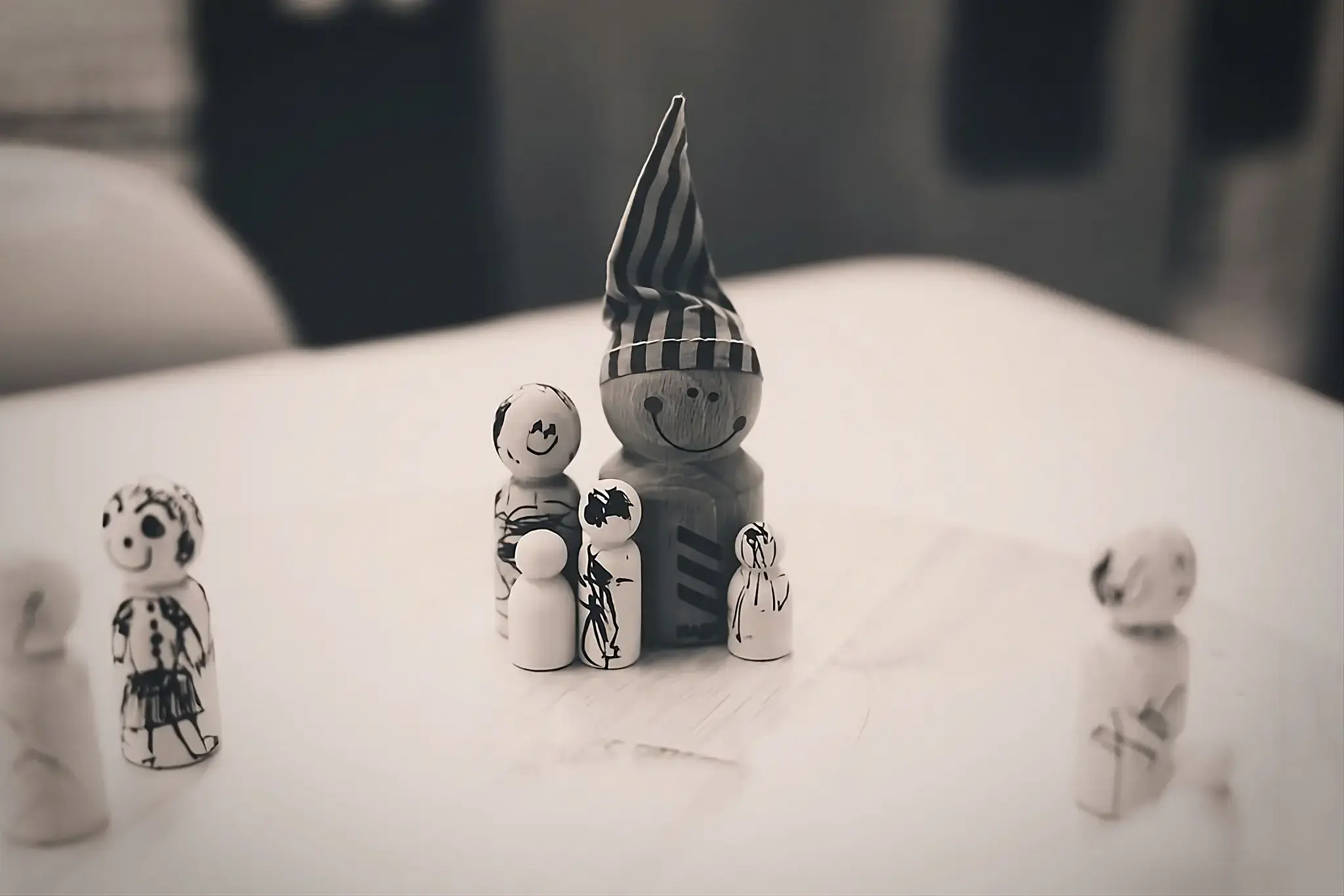
Reggio Emilia: Education based on relationships
Children learn as they experience and interact with the world around them. They interact with their parents, their teachers, their peers, and their environment. By carefully and intentionally designing those relationships, parents and teachers can inspire and motivate children, instilling a passion for learning that extends well beyond early education.
Origins
The Reggio Emilia Approach was developed during the 1960-1980s in Reggio Emilia, Italy. After the fall of Fascism, Italy was home to a wave of educational research and reform. The leading educators in Reggio Emilia, including Loris Malaguzzi, studied the way children learn and grow. They created an education system designed to support and encourage children’s natural curiosity.
Our 12 Principles
These 12 principles are defined in Indications, a document that outlines the identity and aims of the Reggio Emilia approach to early education. It was developed through wide community involvement and participatory consultation, as part of ensuring its guiding criteria are transparent, shared, and put into practice. At the GREDC we use these principles as a guide for all that we do.
1. The Image of the Child
All children are curious, competent, creative, intelligent and resourceful. Kids are amazing learners with lots of feelings, friendships, senses, and smarts. Each child has the right to be respected and valued for who they are, their uniqueness, and their own pace of growing up. Kids, on their own and with others, care about people and the world around them and create experiences that make sense to them.
2. Many Languages
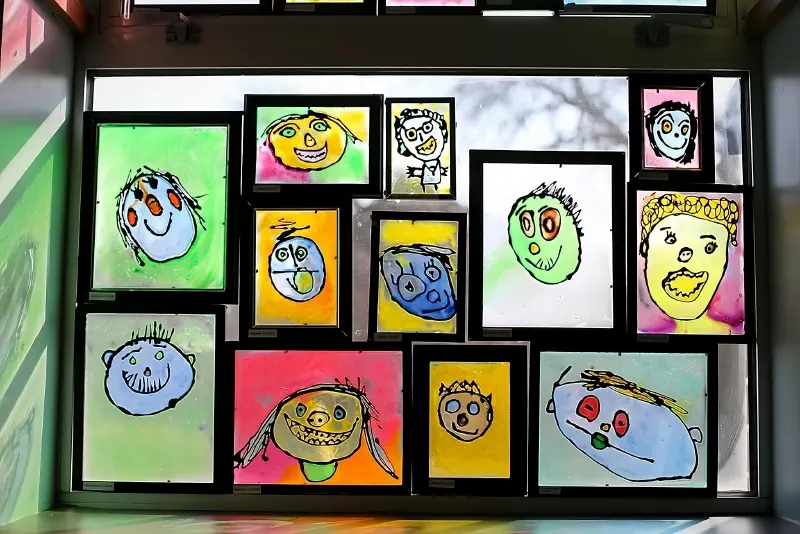
Children have countless ways of thinking, expressing, and understanding, like a hundred languages that connect their experiences. This metaphor reflects their incredible potential, creativity, and diverse ways of learning. These “languages” can grow and multiply through collaboration among children and between children and adults. GREDC teachers appreciate and treat all forms of communication with equal importance and respect.
3. Emergent Curriculum
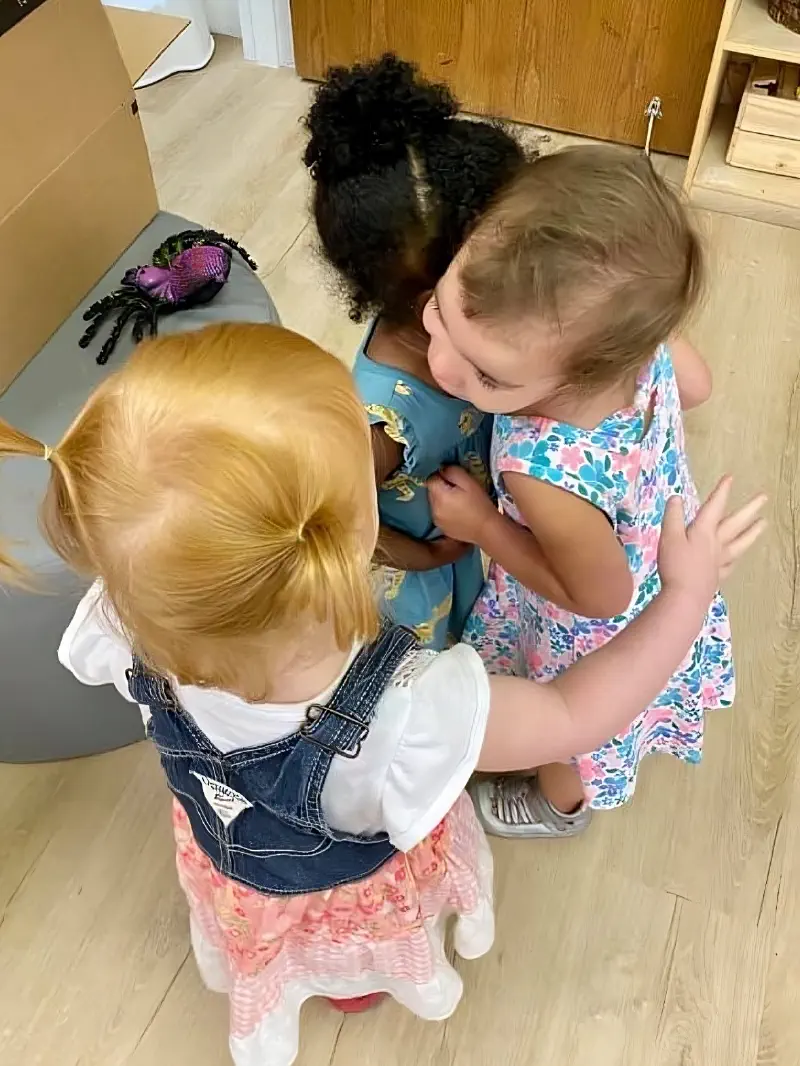
Project-based learning focuses on topics of interest to the children. Crafts, conversations, books, schedules, even the classroom layout are adapted to fit the project. Projects may occur over days or months, creating a passion for research and exploration.Read more…
4. Environment and Space
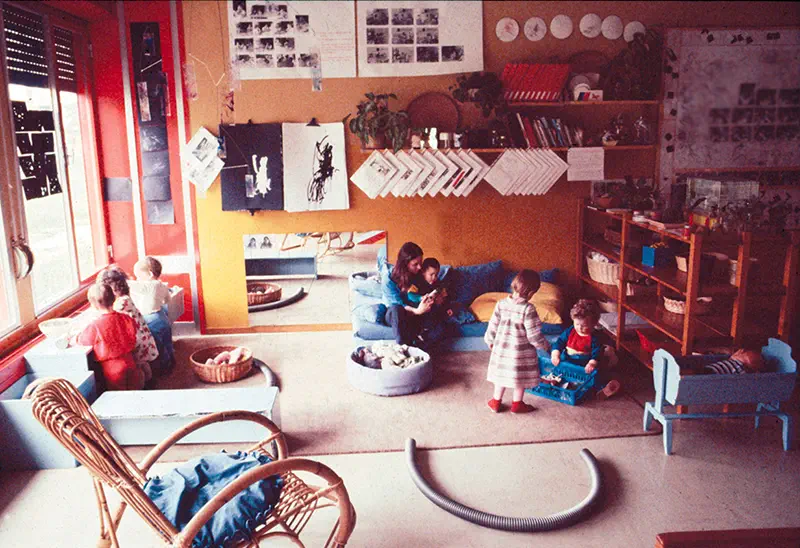
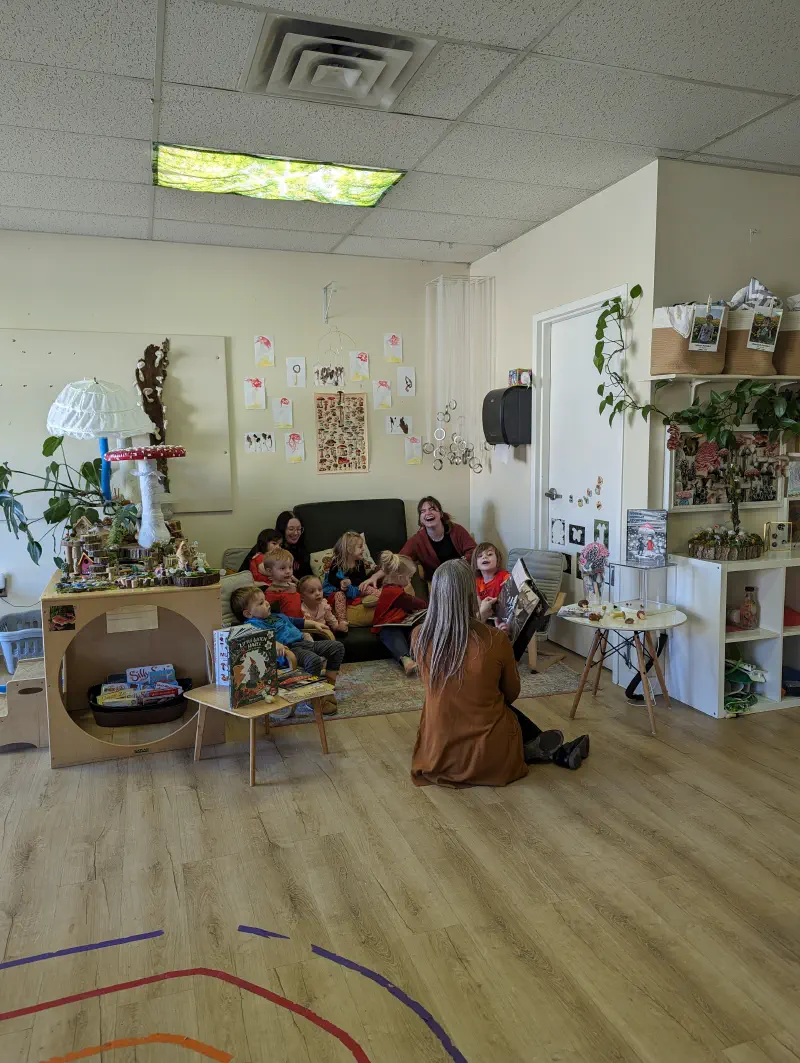
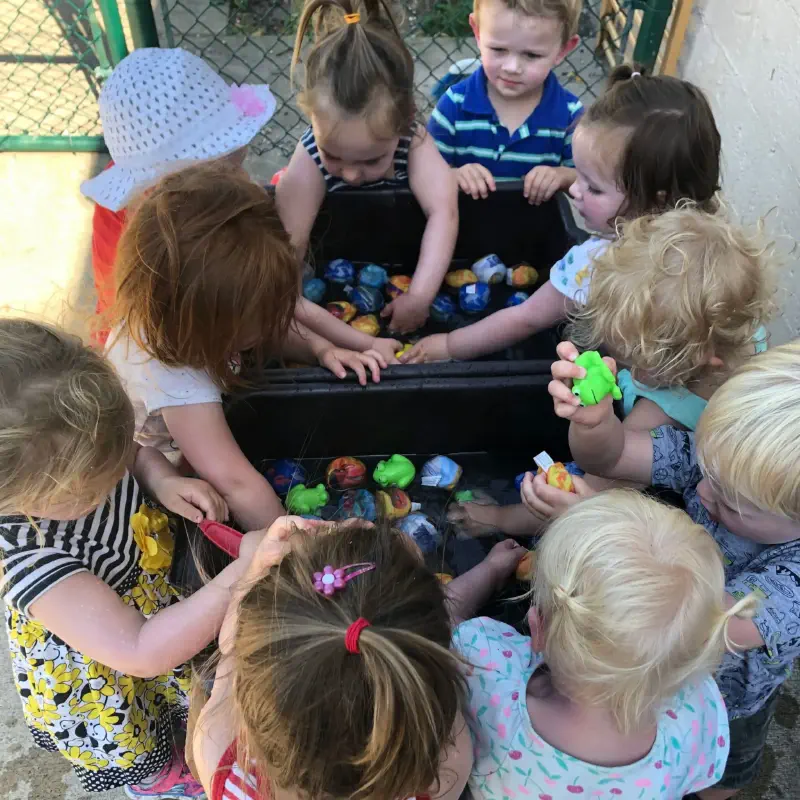
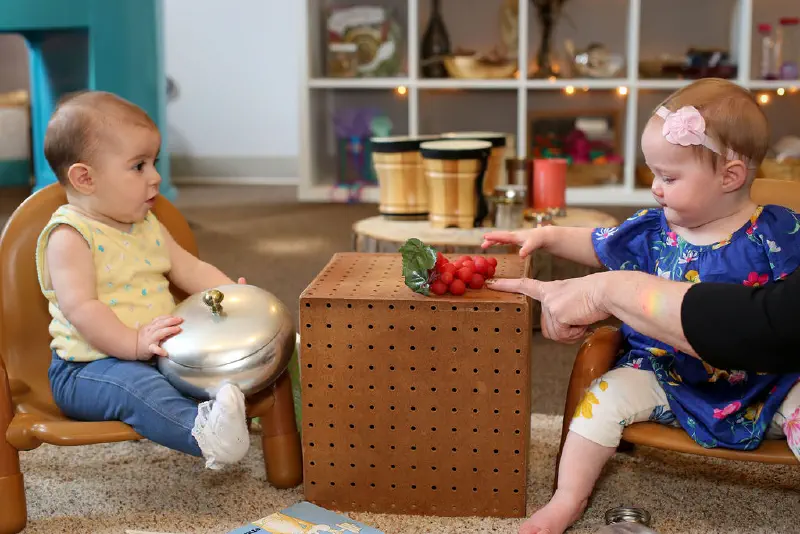
Our school environment has enormous potential as a ‘third teacher’ to foster connections between ideas, people, and the world around us. How we set up both the inside and outside areas in early childhood schools is all about creating spaces that bring people together, letting kids and grown-ups explore, chat, and do their thing. It’s like a lively hub where everyone can learn and live side by side. Our surroundings are always connected with the projects and learning adventures going on, mixing up design and teaching ideas. Keeping things tidy and looking after our environment shouldn’t just be a chore—it’s a way of making sure everyone feels good, enjoys the place, and stays safe. Safety is something we all work on together, making sure things are secure while making the most of everything we do.
5. Participation
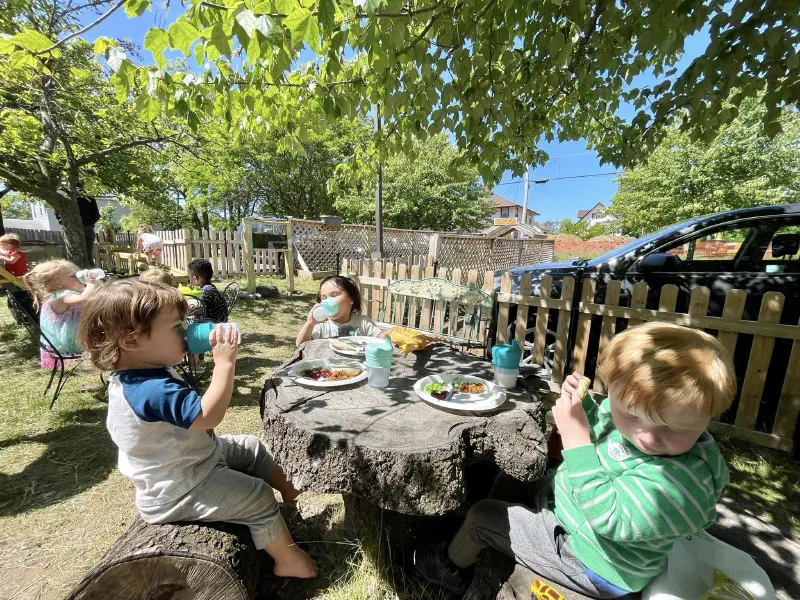
Each school is a learning community to which parents, children, teachers, staff, and members of the public all belong. Participation is the core of how children, educators, and families engage in the educational journey, shaping it day by day through interactions. We value the diverse ways people express themselves, fostering cultural understanding and requiring mediation. Participation builds a sense of solidarity, responsibility, and inclusion, sparking change and new cultures that grapple with the complexities of the modern world and globalization.
6. The Process of learning
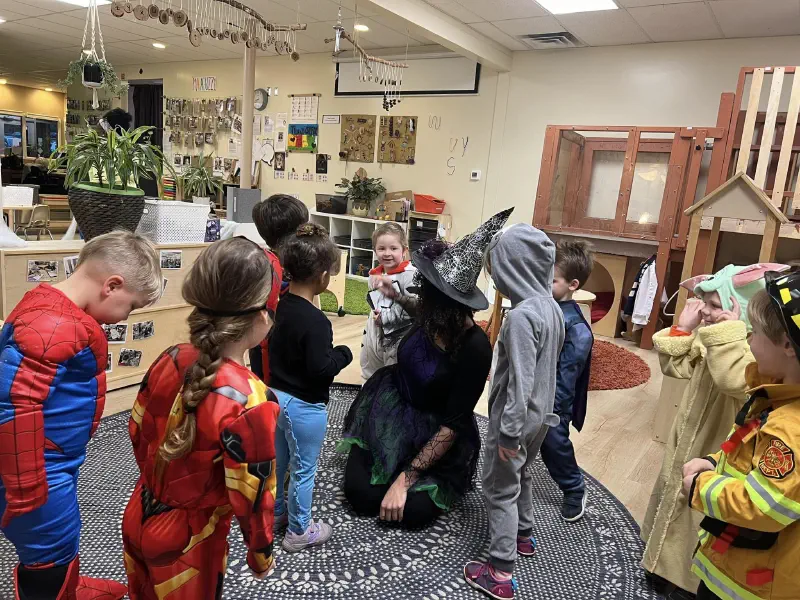
Children build knowledge, skills, and independence through unique interactions with peers, adults, and the environment. Learning thrives through questioning, comparing ideas, and sharing experiences. We utilize creativity, curiosity, intuition, and play to build a lasting motivation and joy of learning.
7. Documentation
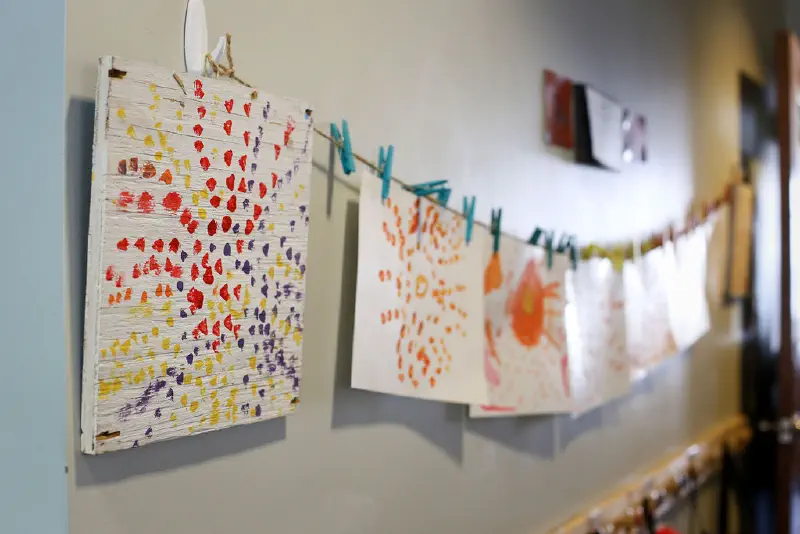
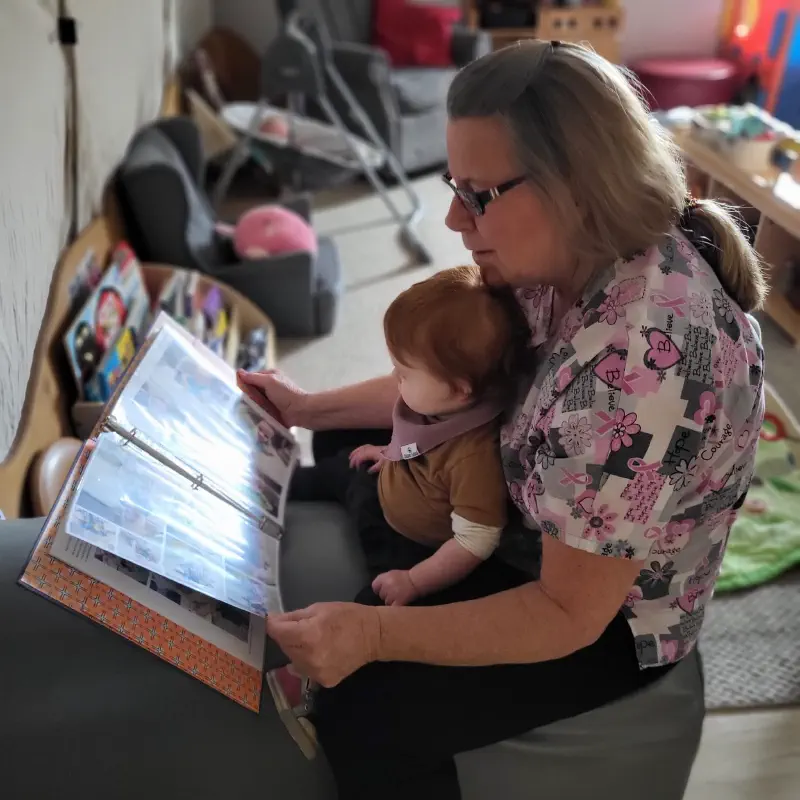
The learning process between children and teachers is captured, made visible and then shared in order to support wondering, researching and learning among teachers and children. Documentation provides communication between children, parents, and teachers. It also supports long-term research and development of teachers and pedagogy.
8. Listenting
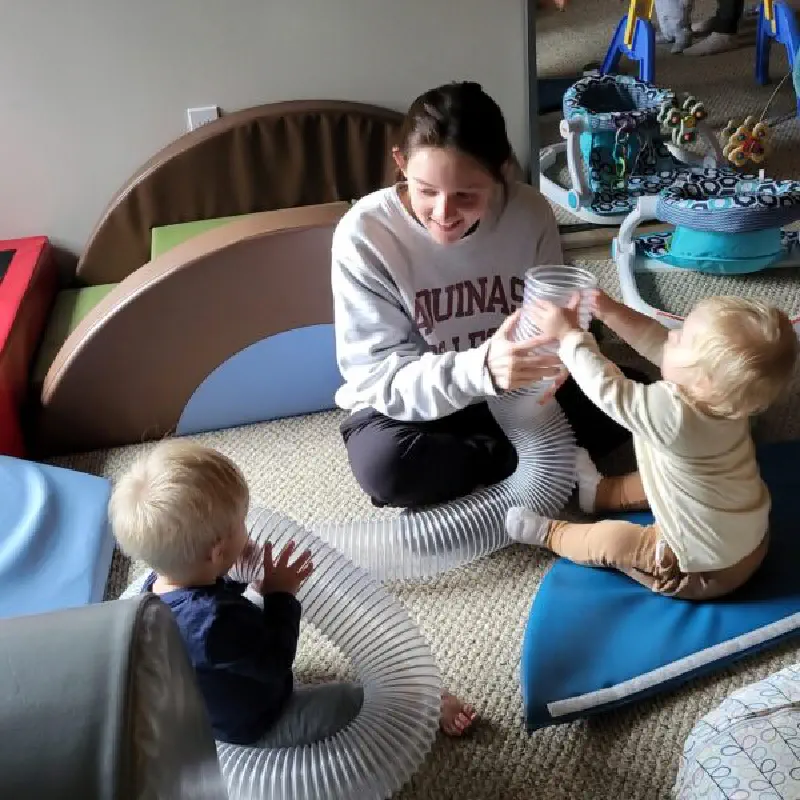
Real learning requires real listening – to the children, to ourselves, to each other, and to the world around us. Active listening among adults, children, and the environment sets the stage for every educational connection. Listening is a continuous process that encourages reflection, acceptance, and openness to oneself and others. It’s essential for meaningful dialogue and positive change, elevating awareness of cultural, values, and political aspects of the modern world.
9. Organization
Our work conditions have a big impact on the kind of learning experiences we offer. How things are set up—the way we work, the spaces we’re in, and how we spend time, whether it’s with kids or adults—is a big part of what we value in our educational project. It’s like building a network of choices where everyone, from the folks handling the paperwork to those making educational decisions, shares the responsibility. These choices help create a place that gives kids a sense of who they are, stability, and security. We’re all about highlighting the potential, quality, and everyday practices that make our space special.
10. Educational Research
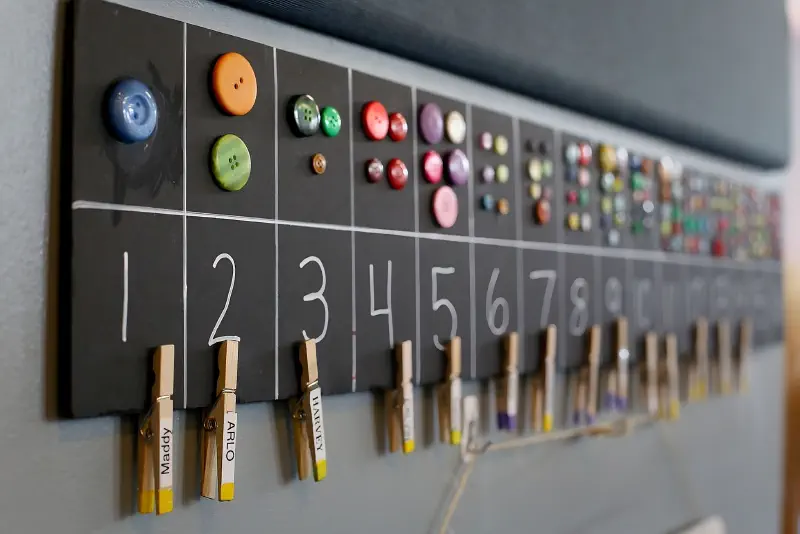
Teachers and children research the world, and the process of learning, together. Research is a vital aspect of both children’s and adults’ lives, a quest for knowledge that deserves acknowledgment and appreciation. Collaborative research between adults and children is a fundamental daily practice. It serves as a potent tool for educational renewal, reshaping knowledge, enhancing professional quality, and contributing to pedagogical innovation on national and international scales.
11. Professional Development
Learning and growing as a teacher is a right and a responsibility. Professional development is a continuous process focused on understanding and embracing the educational project’s core meanings, methods, and specific competencies of professional roles. Emphasized within daily activities, professional development is prioritized through reflective practices like observation and documentation, and weekly staff meetings for in-depth study and sharing.
12. Assessment
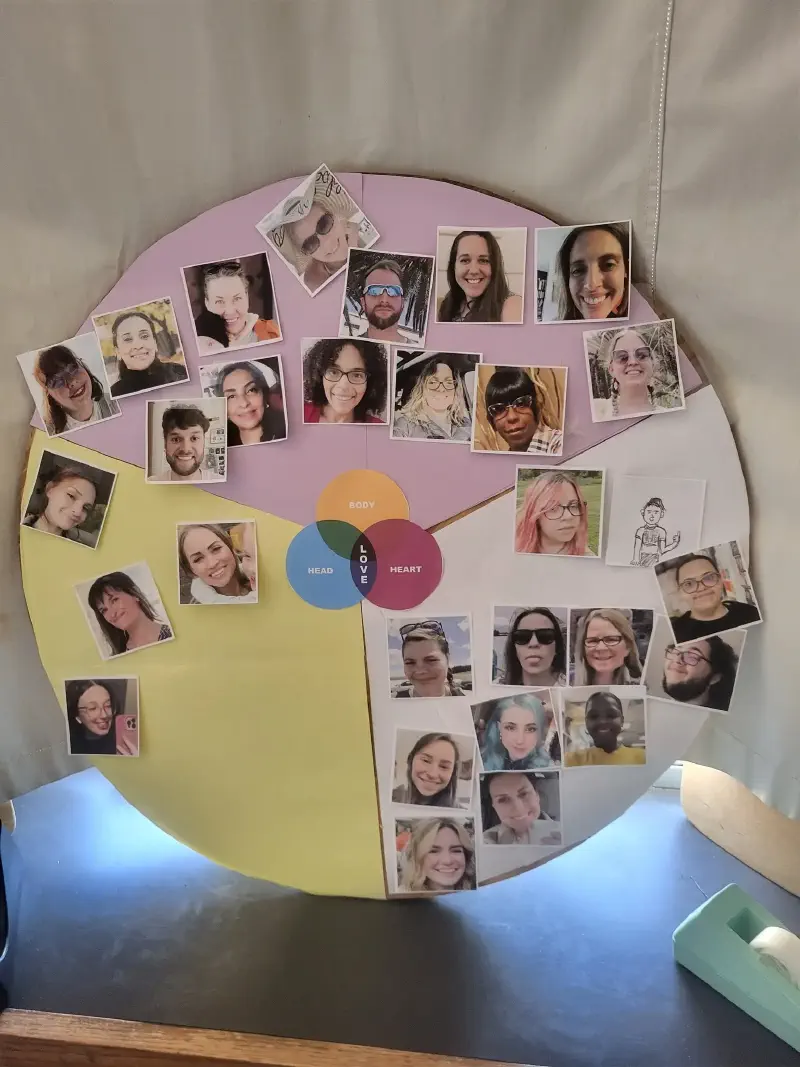
Evaluating ourselves, our teaching profession, and our schools is an ongoing process of observation, reflection, and conversation.Assessment encompasses various aspects of school life, such as children’s learning, personnel professionalism, and service organization and quality. We utilize pedagogical coordinating teams, workgroups, teacher co-presence, and co-responsibility, as well as documentation, family and community participation, and engagement in the every day life of the school.
Learn more about the Reggio Emilia approach...
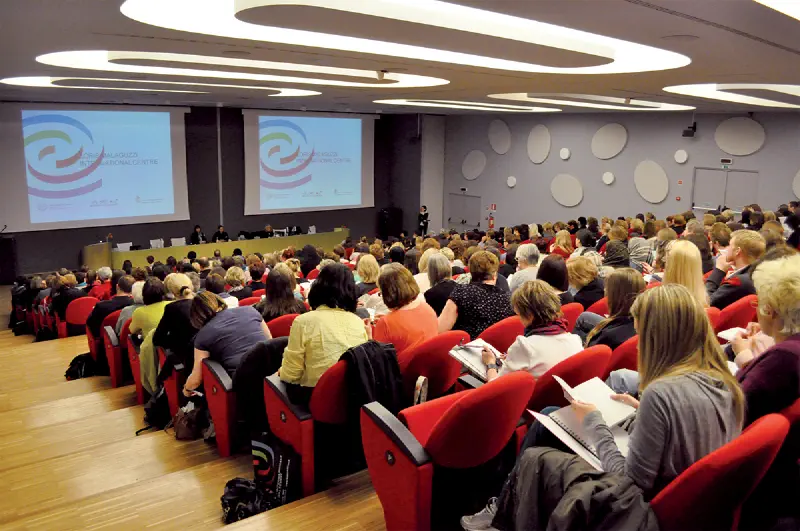
The Reggio Emilia Approach is part of an international movement to continuously improve early education. You can learn more at some of the following institutions: Reggio Children North American Reggio Emilia Alliance U.S. Dept. of Ed., Education Resource Information Center The New York Times
Learn more about us
Our Story
Learn about our history, from the early days in the 1980's at Aquinas College to our current campus on Jefferson Ave, right in the heart of Grand Rapids.
Learn more...
Emergent Curriculum
Emergent curriculum develops from exploring ideas that are socially relevant, intellectually engaging and personally meaningful to children.
Learn more...
Our Classrooms
Each classroom at the GREDC is thoughtfully structured to foster the development, thought and creativity of each child.
Learn more...